Table of Contents
Introduction
A decade ago, updating a website was a hands-on process — teams logged in manually, edited pages, uploaded new visuals, and ensured everything displayed correctly. While this process gave businesses control, it was slow, error-prone, and often reactive rather than strategic.
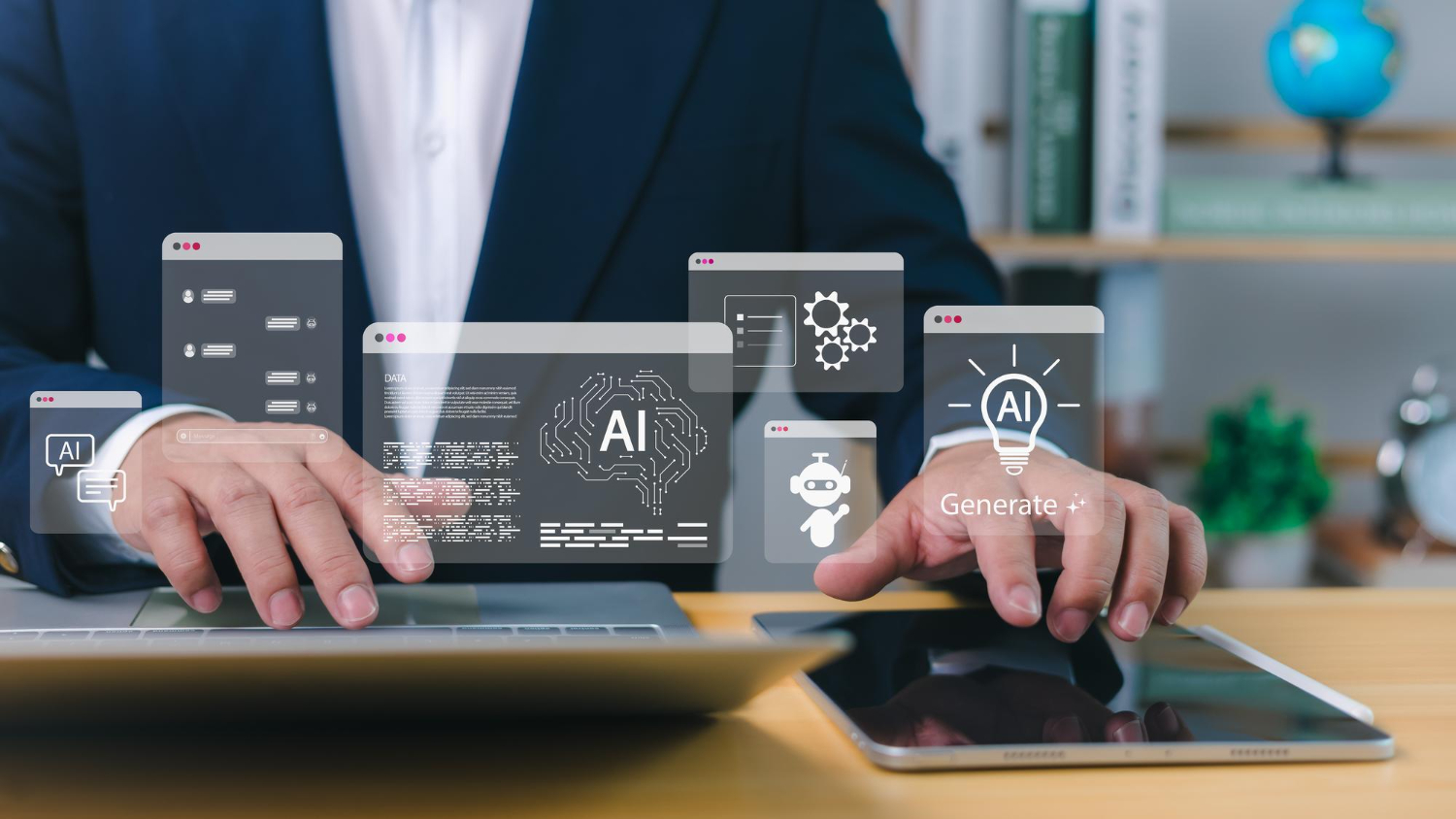
Today, Artificial Intelligence (AI) is transforming how websites evolve. From predictive analytics to automated content generation, AI-powered systems are paving the way for websites that can update, optimize, and even redesign themselves without human intervention. A leading web development company in Chennai can now integrate such AI technologies to help businesses stay competitive in the digital landscape. The future of website updation lies in automation — not just as a convenience but as a fundamental shift in how digital presence is managed.
The Shift from Static to Adaptive Websites
Websites were once static entities — built, published, and updated only when necessary. This model worked in the early digital era, but today’s users expect real-time relevance. Adaptive websites, powered by AI, analyze user data, traffic patterns, and engagement metrics to make automatic adjustments. For example, an AI system can highlight trending products, switch banners based on visitor location, or refresh content depending on time-sensitive campaigns — all without human action.
This evolution marks the first step toward autonomy: websites that respond intelligently to user behavior.
AI-Powered Content Updation
Content management has long been one of the most time-consuming aspects of maintaining a website. AI now simplifies this by automating copy generation, content scheduling, and SEO integration. Tools like ChatGPT, Jasper, and Copy.ai can generate blogs, landing pages, and product descriptions in seconds. Beyond creation, AI can also rewrite or update existing content based on keyword trends, engagement analytics, or changing brand tone.
This doesn’t eliminate the need for human oversight — instead, it allows content teams to focus on creativity and strategy while AI handles the routine updates.
Predictive Maintenance and Error Detection
Broken links, missing images, or slow-loading pages can harm both user experience and SEO rankings. Traditionally, these issues were found manually during audits.
With AI-based predictive maintenance, websites can now self-monitor. These systems detect potential failures before they happen — whether it’s a security vulnerability, a server slowdown, or a compatibility issue after a CMS update.
Such predictive intelligence ensures 24/7 uptime and consistent performance, minimizing downtime and human intervention.
Automated SEO and Metadata Optimization
SEO updates used to mean manually tweaking titles, tags, and keywords for every page. Today, AI tools continuously analyze search trends, competitor keywords, and user intent to automatically optimize metadata and content placement. Machine learning models can even predict which keywords are likely to perform better in the coming months and adjust website content accordingly. A professional team offering web design services can integrate these AI tools effectively to enhance overall site performance.
This automation ensures your website stays competitive in search results — not by reacting to trends but by anticipating them.
Personalized User Experiences through AI
One of the most powerful applications of AI in website updation lies in personalization.
Modern AI systems can study visitor data — such as browsing history, location, or device type — and adjust the website experience in real time. For instance:
- Returning visitors may see different homepage banners.
- First-time users might receive guided tours or introductory offers.
- E-commerce websites can showcase dynamic product recommendations based on past interactions.
Such adaptive personalization improves engagement, conversion rates, and user satisfaction — all without manual editing or intervention.
Visual and Design Adaptation
Design updates were traditionally handled by developers and designers working on redesign cycles. AI is now revolutionizing this process with automated design adaptation.
AI-driven tools can test different layouts, color schemes, and button placements using A/B testing data. Based on real-time feedback, they automatically implement the most effective design variations.
This means a website can evolve visually — adjusting itself for better readability, accessibility, and conversion — ensuring it always aligns with user preferences and device trends.
Integration of Voice and Chat-Based Interfaces
Voice search and chatbots are reshaping user interaction. AI-driven updation now includes integrating conversational elements that evolve with user needs. For instance, an AI chatbot on a website can learn from customer queries and automatically update FAQs, suggest new support topics, or refine navigation flow. Similarly, websites optimized for voice search can adjust content formatting and metadata automatically to stay compatible with smart assistants.
Such integrations ensure that websites are not only updated visually but also functionally — in tune with modern digital habits.
The Role of Human Oversight in Autonomous Systems
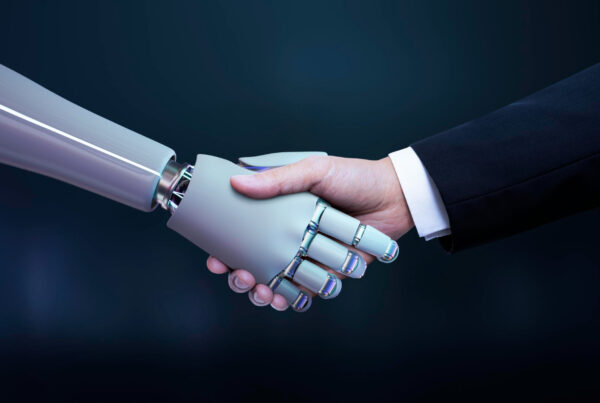
Despite automation, human insight remains crucial. AI excels in speed, accuracy, and prediction — but it lacks emotional intelligence, empathy, and contextual judgment. The future of website updation will be collaborative, not competitive. Humans will define brand tone, storytelling, and creative direction, while AI systems execute, test, and optimize these ideas efficiently.
This partnership between human creativity and machine intelligence ensures that automation enhances, rather than replaces, human expertise.
Conclusion
The journey from manual website updation to autonomous AI systems is more than a technological upgrade — it’s a redefinition of digital strategy. Websites of the future won’t wait for developers to make changes; they’ll analyze, adapt, and evolve on their own.
For businesses, this shift promises faster updates, cost savings, improved SEO performance, and personalized experiences for every visitor. A forward-thinking web development company in Chennai can help brands adopt these AI-driven systems, ensuring smoother transitions and smarter digital management. Yet, the real strength lies in balance — allowing AI to handle the mechanics while humans focus on imagination and innovation.