Table of Contents
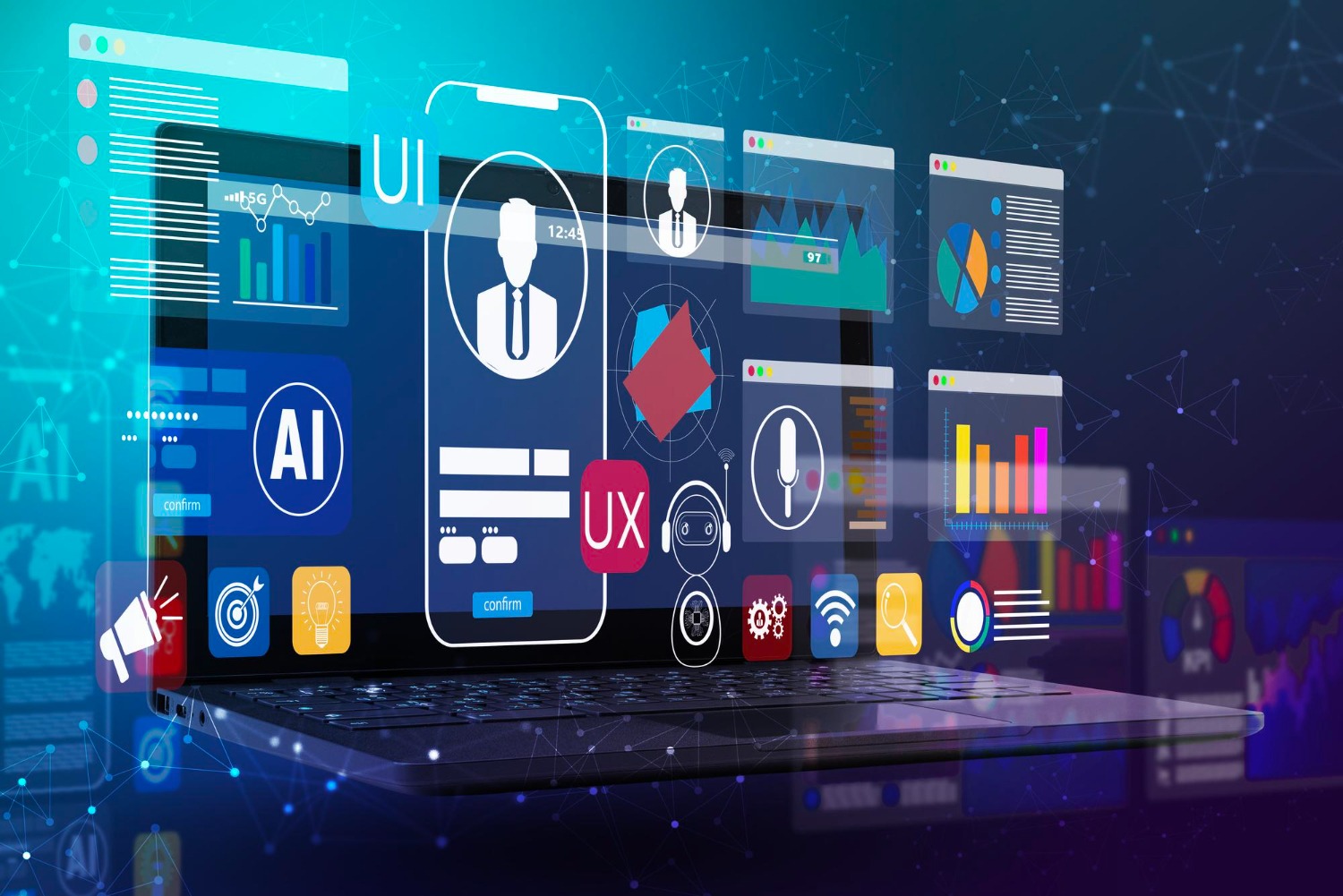
The way users experience digital products has entered a new era. AI is not just influencing what gets built — it is fundamentally reshaping how interfaces behave, how users navigate, and what they expect from every interaction. For any UI/UX Design Company operating in 2026, the question is no longer whether to integrate AI into the design process. It is whether your team has already done it — or whether you are losing ground to those who have. Businesses evaluating UI UX Design Services in Chennai need partners who understand this shift deeply, not agencies still designing for a pre-AI world. If you want results, the search for the best UI/UX design companies in Chennai must now include one non-negotiable criterion: AI-readiness.
How AI Has Rewritten the Rules of UX
Traditional UX design was built on fixed logic. User flows were mapped, wireframes were validated, and interfaces were launched with the assumption that behaviour would follow a predictable path. AI has broken that assumption entirely.
AI-powered interfaces are dynamic. They adapt to individual users in real time — adjusting content, layout, recommendations, and interactions based on behaviour, context, and intent. What one user sees on a homepage can be entirely different from what another sees thirty seconds later. Designing for this kind of adaptability requires a different skillset, a different process, and a different toolkit than traditional UX work.
Beyond personalisation, AI has also changed how users interact with interfaces at a fundamental level. Conversational interfaces, voice inputs, gesture-based navigation, and predictive actions are becoming standard expectations rather than premium features. Users who regularly interact with AI tools carry those expectations into every digital experience — including your website, your app, and your product.
What AI-Ready UI/UX Design Actually Looks Like
AI-readiness in UI/UX isn’t a feature checklist. It is a design philosophy that runs through every decision from the first wireframe to the final handoff.
Designing for Dynamic Content
Static layouts designed around fixed content blocks struggle when AI personalisation engines start swapping content in and out. AI-ready design uses flexible component systems that accommodate variable content lengths, different user states, and context-driven layout shifts without breaking the visual hierarchy. Any credible UI/UX Design Company delivering work in 2026 should be designing systems, not just screens.
Conversational UX Integration
AI-powered chat, voice search, and natural language interfaces are now core UX surfaces — not supplementary features. Designing the conversation layer requires the same rigour as designing the visual layer: clear intent mapping, failure states, escalation paths, and tone consistency. Teams that haven’t developed conversational UX capability are delivering incomplete products.
Behaviour-Driven Personalisation Flows
AI personalisation is only as effective as the UX framework it operates within. Designers need to map not just the default user journey but the range of personalised states a user might encounter — and ensure each state delivers a coherent, intuitive experience. This necessitates a strong partnership between UX design and data architecture right from the project’s inception.
Accessibility and Ethical AI Design
AI-driven interfaces carry new accessibility responsibilities. Automated personalisation must not inadvertently exclude users with disabilities. AI-generated content within interfaces needs to be auditable and transparent. The best UI/UX design companies in Chennai are already building ethical AI considerations into their design reviews — not treating them as post-launch compliance tasks.
Performance-Aware Design
AI components — recommendation engines, dynamic personalisation layers, conversational interfaces — add technical weight to a product. UX designers working in AI-integrated environments must understand performance implications. A beautiful interface that loads slowly or behaves unpredictably under AI load delivers poor UX, regardless of how polished the visual design is.
Why Your Choice of Design Partner Defines Your Outcome
The gap between agencies that understand AI-driven UX and those that don’t is not a gap in tools — it is a gap in thinking. AI-ready design requires a team that can navigate ambiguity, design for variability, and collaborate with engineers on dynamic systems rather than handing off static mockups.
Businesses investing in UI UX Design Services in Chennai should be asking direct questions during any agency evaluation: How do you design for AI-personalised interfaces? What is your process for conversational UX? How do you handle dynamic content in your component systems? These questions will quickly distinguish agencies building for the present from those still designing for the past.
The Chennai market has strong digital talent, but not every agency has made the investment in AI-native UX capability. Finding the best UI/UX design companies in Chennai now means finding teams that have already done the work — studied the tools, built the frameworks, and delivered AI-integrated experiences for real clients.
The Window for Competitive Advantage Is Still Open
AI is reshaping user expectations faster than most organisations are adapting. The businesses that invest in AI-ready UX now are building interfaces that will compound in effectiveness as personalisation data accumulates and AI systems improve.
Every UI/UX Design Company must answer honestly whether its current process, team capability, and design frameworks are equipped for what AI-driven products demand. If the answer is uncertain, the time to address that is now — not after a product launches and underperforms. The best UI/UX design companies in Chennai are already operating at this level. Partnering with a team that delivers genuinely AI-ready UI UX Design Services in Chennai is one of the most consequential decisions a digital product team can make in 2026.